Love and Friendship Day is a celebration through which we can express our love and appreciation for those who surround us; however, celebrations such as Valentine’s Day represent a significant increase on carbon dioxide emissions and disproportionate waste production. According to statistics by Plastic Oceans Organization, February 14, represents an increase of 9 million kilograms of CO2. Love and Friendship Day has a similar environmental impact from a local perspective.
Many of the gifts given in the celebration include single use plastics and other harmful materials. Here is a list of examples:
- Balloons: Take 450 years to degrade
- Straws and plastic bags: Take about 500 years to degrade
- Single-use plastic cups (i.e. for a coffee): Take 400-450 years to degrade
- Glitter or small decorations: This are microplastics and remain in the environment for hundreds of years
- Cut flowers: Production processes may be polluting as most flowers are grown in greenhouses heated by natural gas, which releases thousands of kilograms of CO2.
Love and Friendship Day represents an opportunity to reflect on our ever-lasting bond with the environment that surrounds us and our responsibility to have sustainable consumption. As global citizens we have the duty of utilizing the concept of ethical consumption on a daily basis, particularly on celebrations involving gift-giving.
What is “ethical consumption” about?
When purchasing products, we are not only buying the good or service but its production process. Wasteful production and unsustainable treatment of natural resources result in greater consumer demand for sustainable economic systems; responsible individual choices on consumption have a direct impact on production and the use of products. Ethical consumption is therefore a relevant concept when seeking to become much more engaged in sustainability. Ethical consumption is defined as a conscientious way of consuming in regard to ethical issues which include labour conditions, worker’s rights and protection of the natural environment; in other words, purchasing goods with the purpose of minimasing social and/or environmental damage. This influences producers and creates an incentive to utilise production practices that conform to consumer values.
How can we implement ethical consumption?
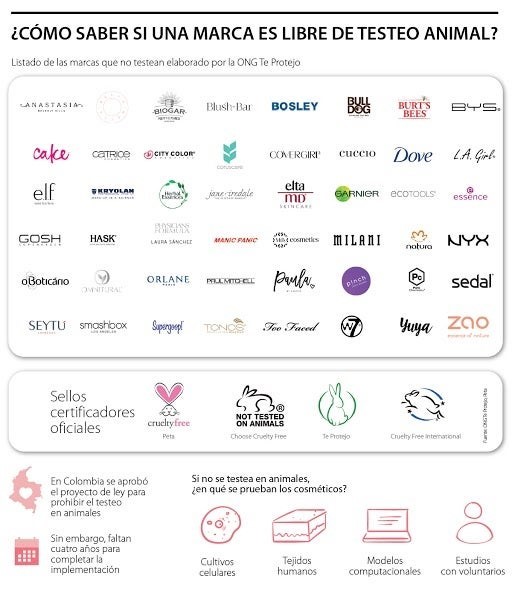
- Check whether products have third party certification by organizations such as Green Seal, Certified B Corporation (B Corp), Energy Star, Environmental Working Group (EWG) Verified, Fair Trade Certified, Non-GMO Project Verified.
- Be conscious of the impacts and life cycle of the product:
- Ingredients and materials: Do they include toxic or potentially harmful chemicals? Are ingredients sustainable?
- Longevity: How long will the product last for? Can it be reused?
- Packaging: Consume products with minimal, recyclable or compostable packaging.
- Support local products (zero-km products).
- Make sure products do not use animal testing: According to data from the British Union for the Abolition of Vivisection, more than 115 million animals are used for cosmetic testing annually. When purchasing cosmetics, it is relevant to identify which products have sustainable means of development and production.
References:
Berki-Kiss, D., Menrad, K. (2022). Ethical consumption: Influencing factors of consumer´s intention to purchase Fairtrade roses, Cleaner and Circular Bioeconomy. (Volume 2, ISSN 2772-8013). https://www.sciencedirect.com/science/article/pii/S2772801322000069
IGD. (October 10, 2007). Ethical Consumerism. https://www.igd.com/articles/article-viewer/t/ethical-consumerism/i/15521
Cigüenza, N. (30 April, 2021). Estas son algunas de las marcas de belleza certificadas que no testean en animales. Retrieved from: https://www.larepublica.co/responsabilidad-social/estas-son-algunas-de-las-marcas-de-belleza-certificadas-que-no-testean-en-animales-3161656
Adams, H. (April 10, 2022). How to Tell If a Product is Actually Eco-Friendly and Sustainable. Retrieved from: https://www.cleaneatingmag.com/clean-living/greener-you/how-to-tell-if-a-product-is-actually-eco-friendly/
Kirchhoff, C. (Invalid Date). ethical consumerism. Encyclopedia Britannica. https://www.britannica.com/topic/ethical-consumerism
Argüelles, S. (2021). Valentine’s Day and Plastic Pollution. Retrieved from: https://plasticoceans.org/valentines-day-and-plastic-pollution/